Hope it helps.
American Heart Association Courses | BLS- ACLS – PALS
Our website is regularly updated, with new changes happening every day. Be sure to check back often to see what’s new.

Menu

CLASS
Registration
Asystole – But are they really DEAD?
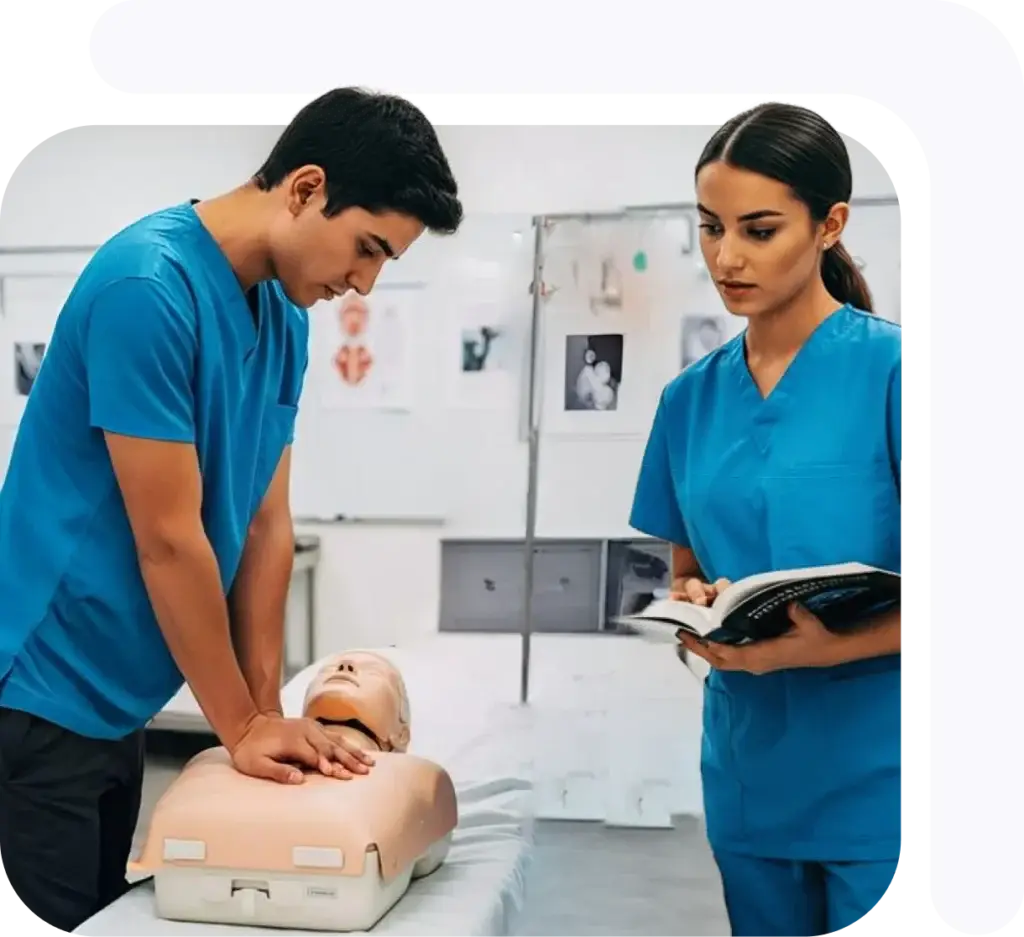
Asystole – But are they really DEAD?
Asystole – Prove It!
I can give a scientific view to Asystole.
In Asystole your patient’s heart is DEAD, Zero electrical activity. So, Let’s Prove It!
There is a difference between discontinuity and a real Rhythm on the monitor.
A Flat Line is usually never real, check LEADS.
Asystole is defined as a cardiac arrest rhythm in which there is no discernible electrical activity on the ECG monitor. Asystole is sometimes referred to as a “flat line.” Confirmation that a “flat line” is truly asystole is an important step in the ACLS protocol.
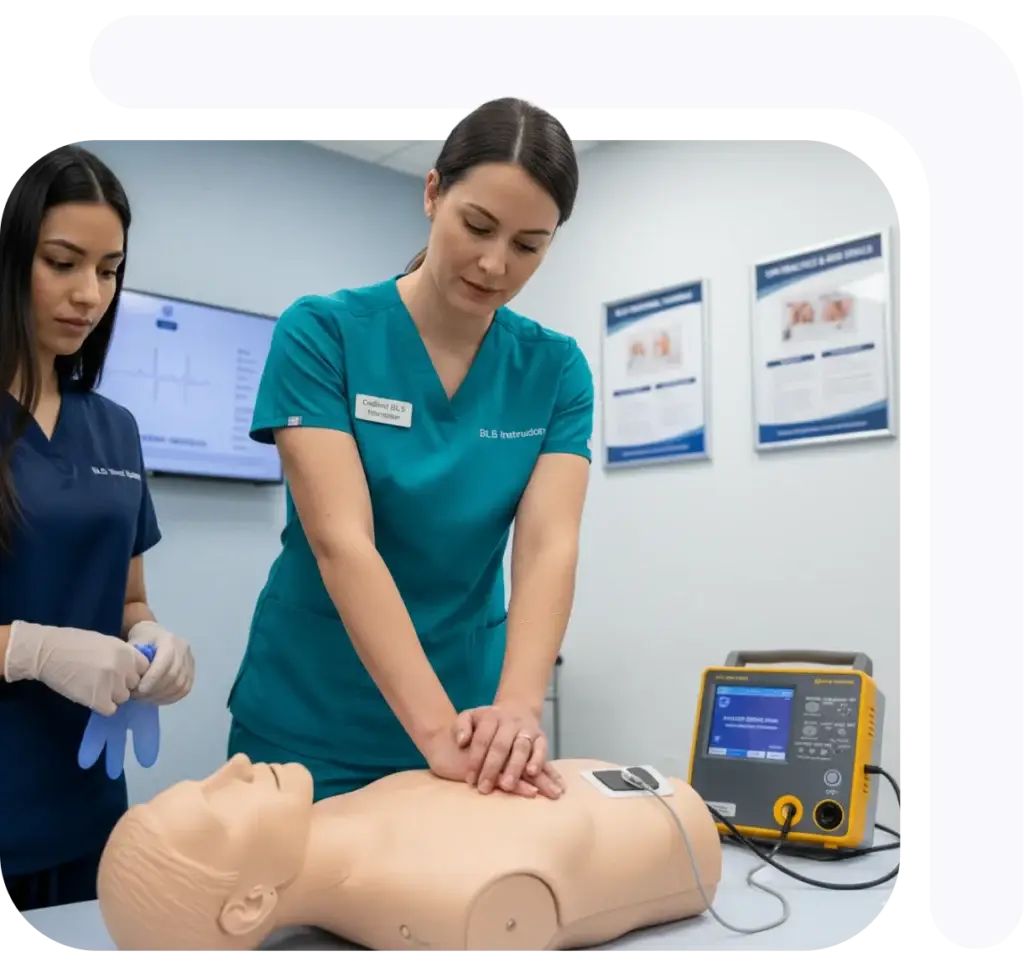
Put in a new Compressor
Switching out to a fresh Compressor gives you a baseline for the compressions. This will get you good compression’s for at least the next minute.
During Compression’s (with new Compressor) check for Carotid & Femoral Pulses. Pulses don’t have to be great but, THEY MUST BE PRESENT, or the compression’s are useless to the patient.
If you don’t feel pulses, start fluids immediately, 200-500 ml NS, over 1 minute.
Has anyone checked the Rectum? It may sound funny, but it’s not a Joke.
A diaper can hold 2 liters of blood and you would never know, unless you look. If the patient isn’t wearing a diaper, well then there’s nothing in the way to help you see all that blood if they are bleeding out.
This doesn’t change what your doing but, it may explain why your not going to be successful.
Think a little; Bright Red Blood in the diaper or coming out the rectum;
A GI bleed is usually a slow process, and now your pushing on their chest.
Check the IV/IO line? If the asystole is real, FLUIDS may be your only reversible cause at this point.
Make sure the IV line is patent and flows freely. If the line has infiltrated, then it’s useless.
An Intraosseous access line will not even flow without a pressure bag attached.
Unless your pushing fluids manually, Use a pressure bag!
Did the patient get what you intended to administer?
If the fluids aren’t getting to the patient, you won’t be very successful with asystole.
Epinephrine 1 Mg in 10 ml of every 3 minutes.
Did you make a change in the patient with the above steps?
Anything is better that asystole. What’s on the cardiac monitor?
Ventricular Fibrillation: Great Job, don’t forget to defibrillate.
PEA (Pulse Electrical Activity); Again, Great Job; Your patient MAY have a chance.
PEA is the precursor to asystole. So, to get PEA after asystole, your going in the right direction.
With PEA, give another Fluid Bolus 500 ml NS.l.
If you still have asystole; well, you didn’t make them any worse.
Then GOTO Step 1 and do it again.
Your getting closer to Proving the asystole may be real.
After doing the above twice with the same results, you can conclude, it’s not you or your actions, but that the patient is REALLY in asystole.
After doing the above twice with the same results, you can conclude, it’s not you or your actions, but that the patient is REALLY in asystole.
Discontinuity can give you Asystole, without a blood flow from the heart to the skin, continuity cannot be accomplished. So the most important thing to do in asystole is give fluids. That’s why the protocols tell you to give fluids, VOLUME is your friend in PEA and Asystole.
If you don’t feel a carotid pulse during CPR, your compression’s are bad or your patient may have had an aneurysm that ruptured (carotid, aortic, etc). (guess what, More Fluids Please)
If you don’t feel a Femoral pulse during CPR, your compression’s are bad or your patient may have had a AAA rupture. (guess what, More Fluids Please)
If the IV/IO line isn’t working, your patient didn’t get any fluids. So it’s important to check that your line is functional.
1) The most important thing to do is SHOCK a shock-able rhythm any time you see it.
a) After that shock, CPR immediately.
i) Unless your patients heart was beating a second ago, it takes 30 seconds to a minute of compression after the shock, to develop a circulation. Checking for a pulse after the defibrillation is useless, there’s no guarantee it will keep going unless you help it. That’s what compression’s do after the shock, they help develop a circulation. Otherwise, that heart may start and stop until its dead. Help the heart develop a circulation.
ii) Your vascular system has to be functioning in order for a blood pressure to .
2) Fluids, everyone in cardiac arrest should get fluids.
i) You see asystole, you start CPR, now you see Ventricular Fibrillation (Vfib).
All you did was create a connection to the patient. Your compression’s got the blood flow needed to measure what was inside that patient’s chest the whole time.
You just gave fluids and the asystole just became Vfib. This is explained very easily. A dead heart will not change back to anything but more dead, if you made asystole change, look back at what you just did, it was Fluids and CPR.
Our biggest problem in CPR is chest compression and fluids. We do compression as best we can, but if a human is involved, well then it can vary a little.
Look at the cardiac arrest stats on patients over 400 lbs. You’ll find witnessed cardiac arrest to have the best results on that category of patients. Why, Once the blood leaves the chambers of the heart, your CPR may not be effective enough to get blood back to the heart. Hence, best outcomes when the vascular system is still primed. We do reach a point of non-functionality; this is a mechanical coefficient. In other words, even if the compressor is twice the size of the patient, you still won’t be able to move enough blood to the heart. This is due to the patient’s body not allowing recoil of the chest; adipose tissue (30+kg) absorbing the compression, resulting in much less force to the chest. When you add the final factor, how high is that chest if their 400+lbs. Even if everything we do is correct, the bariatric patient is a fragile one. Once blood leaves that heart your fighting a head wind.
Bedside defibrillator, as a minimum, for any bariatric patient that needs monitoring. The amount of time it takes to leave the room and get the equipment could be detrimental in trying to reverse even Ventricular Fibrillation.
Just a little of my input on asystole.